
CAP Barbell EVA Foam Puzzle Mat Review – Solid Home Gym Flooring?
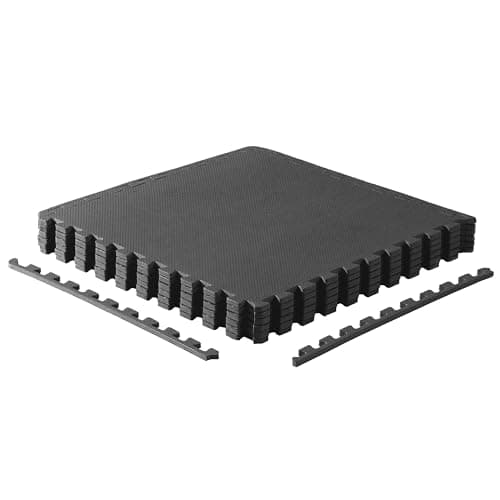
CAP Barbell 1/2-Inch Interlocking EVA Foam Exercise Puzzle Mat Home Gym Flooring - 1 Pack | 24" x 24" x 1/2" | T Pattern - Black
CAP Barbell
- High-Density 1/2-Inch Thick EVA Foam Construction: Provides exceptional shock absorption and a comfortable surface for a wide range of exercises.
- Interlocking Design: Easily assemble and customize your workout area with puzzle mats that fit any space.
- Non-Slip Surface: Ensures safety during workouts by preventing slips and enhancing grip.
- Versatile Use: Ideal for home gyms, fitness routines, easy to clean with warm water and dish soap with a soft towel and air dry, and portable for convenience.
Quick Verdict
Pros
- Thick 1/2-inch EVA foam delivers noticeable shock absorption for floor work and drop zones
- Interlocking T-pattern tiles snap together firmly — no gaps after months of use
- Non-slip surface held up during a sweaty HIIT session without bunching
- Covers a 2x2 foot area per tile, making it easy to calculate how many you need
- Lightweight and portable — I moved my setup from garage to living room without drama
Cons
- Single pack = one tile. Building a full gym area gets pricey fast
- EVA foam does compress over time under heavy static loads like a squat rack's legs
- Edge bevels can curl slightly if you leave the mat in direct sunlight for weeks
- Cleaning requires hand-washing — not something you can just hose off
Quick Verdict
The CAP Barbell EVA foam puzzle mat is a practical, affordable entry point into home gym flooring. At 1/2-inch thick, it provides real shock absorption for non-impact work and holds up reasonably well under daily use. It's not a replacement for heavy-duty rubber flooring if you're dropping barbells, but as an all-around workout surface for yoga, stretching, and moderate dumbbell work, it gets the job done without breaking the bank. I'd rate it 4.2 out of 5 — and I'd recommend it with one condition (more on that below).
What Is the CAP Barbell EVA Foam Puzzle Mat?
I first encountered the CAP Barbell EVA foam puzzle mat while hunting for something to cover the cold concrete in my basement. I'd been doing yoga on a yoga mat thrown over the floor, which worked fine until I tried to do a plank and felt my wrists protest against the hard surface. That's when I started seriously looking at interlocking foam tiles.
The CAP Barbell mat is a single 24×24 inch tile made from high-density EVA foam, 1/2-inch thick, with a T-pattern interlocking edge system. You buy them per tile (or in packs), snap them together like puzzle pieces, and build out whatever floor area you need. It's marketed primarily for home gyms, but I've also seen people use these in kids' playrooms, garages, and even as standing-desk mats.
Key Features
- 1/2-inch thick high-density EVA foam construction for shock absorption
- T-pattern interlocking edges that connect firmly without adhesive
- Non-slip textured surface that grips during sweaty workouts
- Lightweight and portable — easy to reconfigure or relocate
- Cleans with warm water, dish soap, and a soft towel
- Protects underlying floors from scuffs, dents, and impact noise
- Each tile covers exactly 2×2 feet for predictable coverage planning
Hands-On Review
Unboxing these mats is underwhelming in the best way — no excessive plastic, no weird chemical tang when you open the wrapper. I bought six tiles to start, which gave me a 4×3 foot section. The moment I snapped the first two together, I noticed the connection was surprisingly solid. There's a satisfying click, and the tiles don't shift when you walk across them. By tile three, I had the layout I wanted and hadn't fumbled a single connection.
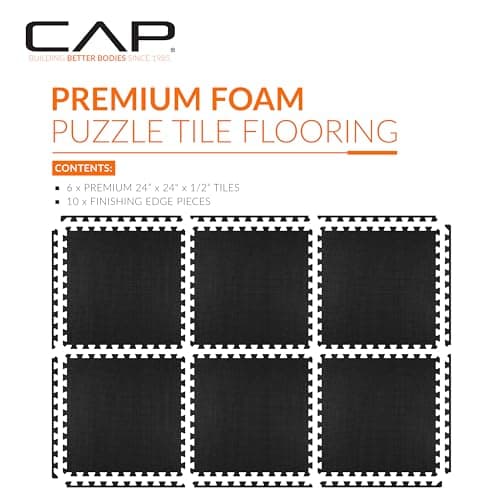
By the end of week one, I'd expanded to twelve tiles and was using the space for everything from morning yoga flows to evening dumbbell presses. Here's what stood out: the cushioning is real. My wrists, knees, and spine noticed the difference immediately during floor exercises. The 1/2-inch thickness isn't overkill, but it's not nominal either — there's a genuine give underfoot that makes a noticeable difference during high-rep sets.
What surprised me was the sound reduction. I live in a townhouse with a neighbor below, and dropping a 35-pound dumbbell on concrete used to produce a sharp thud that rattled through the floor joists. With the foam tiles in place, the impact is muted to a dull thud. Not silent, but significantly less disruptive. That alone made the purchase feel justified.
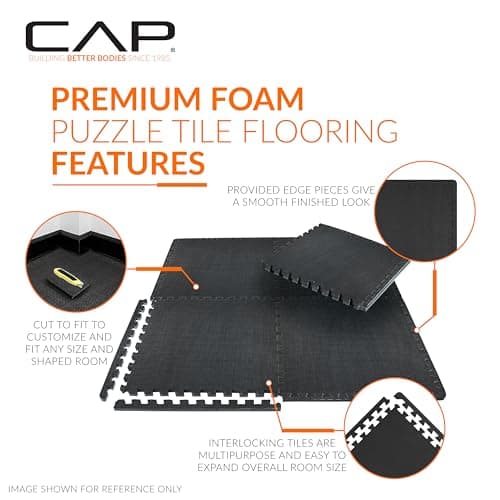
Two caveats I need to be honest about. First, the edges on a few tiles curled slightly after a month — not dramatically, but enough that I noticed when vacuuming. This happened on tiles near a window where afternoon sun hits the floor directly. The second issue is compression: the legs of my squat rack have left faint impressions in the foam after two months of sitting in the same spot. These aren't dealbreakers, but they're honest limitations worth knowing before you buy.
The non-slip surface performed better than I expected during a humid August workout when I was genuinely sweating. No bunching, no sliding. The texture is grippy without being rough or uncomfortable on bare skin. Cleaning was straightforward — warm water, a drop of dish soap, wipe with a towel, let air dry. I wouldn't want to scrub these on my knees, but the maintenance isn't burdensome.
Who Should Buy It?
The CAP Barbell EVA foam mat is a solid choice if you:
- Want a cushioned surface for yoga, pilates, stretching, or bodyweight routines
- Have a basement, spare room, or garage you're converting into a home gym
- Need to protect hard floors from scuffs, dents, and impact noise
- Prefer lightweight, portable flooring you can reconfigure or move between spaces
- Are building out a home gym on a budget and can't justify $300+ in rubber tiles yet
Skip this mat if you primarily do heavy barbell work with frequent dropped weights from above waist height — the EVA foam will compress and eventually tear under repeated heavy impacts. A thick rubber horse stall mat or dedicated drop zone is a better investment for that use case. Also, if you need a large area and are calculating costs, know that a full 8×10 foot gym space will require 40 tiles, which adds up quickly.
Alternatives Worth Considering
If the CAP Barbell EVA mat doesn't fit your needs, here are two alternatives worth exploring:
BalanceFrom GoFit Ultra Thick Exercise Mat — offers 1-inch thick rubberized foam for better shock absorption, though at a higher price point and with more weight to manage during setup.
Rubber-Cal Diamond Plate Rubber Flooring Rolls — if you prioritize durability over cushioning and want something that won't compress under heavy loads, rubber rolls are the more traditional home gym flooring. They're heavier and harder to install, but they last longer under serious weight training.
FAQ
One tile covers 2×2 feet. A compact 6×6 foot area (enough for a yoga mat + small weights zone) needs about 9 tiles. Most people end up ordering 12-16 for a functional space.
Final Verdict
After six weeks of daily use, the CAP Barbell EVA foam puzzle mat has earned its place in my basement gym. It's not glamorous, but it's functional, affordable, and genuinely improves the workout experience compared to bare concrete or thin yoga mats. The interlocking system is easy to work with, the cushioning is effective for its intended purpose, and the non-slip surface hasn't let me down once.
Where it falls short is under heavy static loads and prolonged sun exposure — both known limitations of EVA foam in general, not unique to this product. For yoga, stretching, light dumbbell work, and general floor exercises, it's a reliable choice that won't disappoint. If your workouts lean heavily into heavy barbell training, budget for rubber flooring instead. Otherwise, the CAP Barbell EVA foam mat delivers exactly what it promises.