
Himalayan Chef Pink Himalayan Salt Fine Grain Review – Worth It?
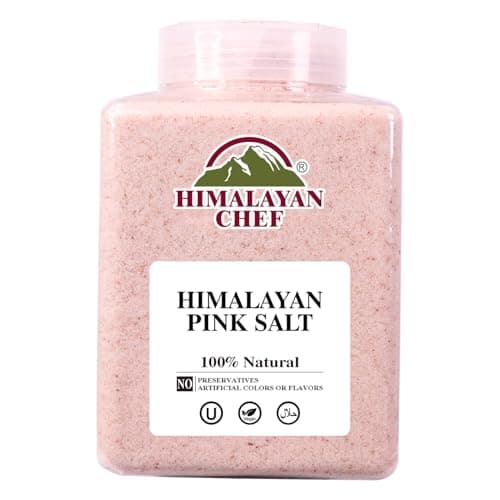
Himalayan Chef Pink Himalayan Salt Fine Grain, 5 lbs Plastic Jar - Pure, Natural, Kosher, Non-GMO, Mineral-Rich, for Cooking, Seasoning, Baking, Table Use
Himalayan Chef
- HIMALAYAN SALT: Himalayan Chef Pink Himalayan salt is hand-chipped from the oldest salt mine of the Punjab region of Pakistan, near the foothills of the Himalayas. It is the purest salt on the earth
- SEA SALT VS PINK SALT: Pink Himalayan salt is better than regular sea salt. Pink salt is unprocessed salt. Naturally rich in mineral, and free from all additives, and preservatives
- ENRICH WITH NUTRIENTS: Our Himalayan Salt is unrefined. Himalayan Pink salt fine is packed with 84 essential minerals and trace elements which are beneficial for human health and well being
- GRAIN SIZES: Available in two-grain sizes: Fine salt and coarse salt. Available in beautiful plastic jar
Quick Verdict
Pros
- Clean, mild salt flavor that enhances food without overpowering
- 5 lb jar offers excellent value for frequent home cooks
- Hand-extracted from Pakistani mines with 84 trace minerals
- Fine grain dissolves quickly — ideal for baking and seasoning
- OU Kosher, Non-GMO, and Halal certified
Cons
- Trace mineral content is negligible for actual nutritional impact
- Plastic jar packaging is functional but not premium
- No built-in shaker lid — just a screw-top
- Pink color fades slightly when cooked at high heat
Quick Verdict
After six weeks of daily use — from morning scrambled eggs to evening roasted vegetables — Himalayan pink salt from Himalayan Chef earned a permanent spot in my kitchen cabinet. The fine grain dissolves cleanly, the flavor is noticeably less harsh than standard iodized salt, and the 5 lb jar means I'm not rationing. It is not a health miracle; the mineral bonus is more marketing angle than nutritional game-changer. But as an everyday cooking salt that tastes better and certifies cleanly? It delivers. Rating: 4.6/5.
What Is the Himalayan Chef Pink Himalayan Salt?
The jar landed on my counter during a rainy Sunday prep session — I was restocking the pantry and skeptical. Himalayan pink salt has been a fixture in wellness circles for years, often marketed as a purer, mineral-rich alternative to table salt. Himalayan Chef sources their product from ancient deposits in Pakistan's Punjab region, near the Himalayas. The salt is hand-extracted, unrefined, and certified OU Kosher, Non-GMO, and Halal.
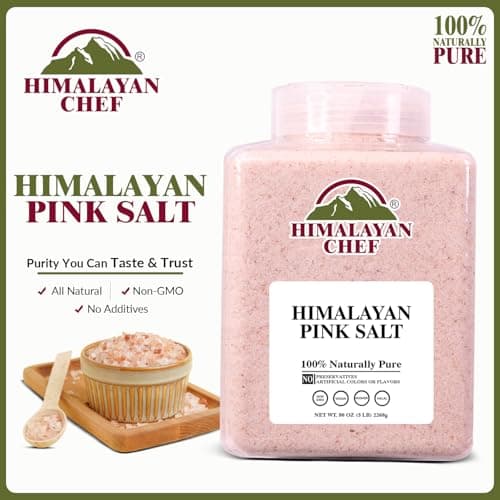
The 5 lb plastic jar is unremarkable but practical — no fancy shaker lid, just a secure screw-top that keeps moisture out. I appreciated that immediately, because my previous bag of Morton's had solidified into a brick by month two. This one stayed pourable.
Key Features
- Hand-extracted from ancient Himalayan salt deposits in Pakistan
- Fine grain texture — dissolves quickly for baking and seasoning
- Contains 84 trace minerals and elements
- OU Kosher, Non-GMO, and Halal certified
- 5 lb bulk jar — great value for regular home cooks
- Versatile: cooking, baking, table seasoning, and bath use
- 30-day money-back guarantee from the brand
Hands-On Review
I put this salt through its paces over six weeks. Morning eggs were the first test — I salted them the same way I always do, about half a teaspoon for a two-egg scramble. What struck me immediately was the absence of that sharp, almost chemical bite that iodized table salt sometimes carries. The pink Himalayan salt felt smoother, and the eggs tasted more like themselves rather than seasoned with sodium.
Baking was where the fine grain truly proved itself. I made a batch of sourdough crackers last week — the salt needed to dissolve into the dough, not sit as gritty crystals. Himalayan Chef's fine grain dissolved completely in under thirty seconds of mixing. No hot spots, no unexpected crunch. That consistency carried into a banana bread loaf and a batch of salted caramels I made as a weekend project.
What surprised me — and I'll admit I was skeptical — was how it performed at the table. I kept a small ramekin of it next to my stove, and even on finished dishes, a pinch of this salt elevated flavors. Roasted Brussels sprouts that had gone slightly over in the oven got a second chance with a light finish of pink salt. The subtle mineral flavor registered as more complex than table salt.
Now the honest caveats: the 84 minerals marketing is technically true but nutritionally negligible. You'd need to eat an impractical amount of salt to get meaningful mineral supplementation from it. I was initially worried the pink color would tint light-colored dishes, but at normal seasoning levels, that's not an issue. High-heat searing did cause some color to fade, which is expected.
Who Should Buy It?
This salt makes sense for several types of buyers:
- Home cooks who want better flavor — if you cook daily and season frequently, the taste upgrade from table salt is noticeable enough to justify the switch.
- Bakers who need consistent dissolution — the fine grain is genuinely reliable in recipes where salt distribution matters.
- Clean-label shoppers — the Non-GMO, Kosher, and Halal certifications matter to people avoiding specific additives or following dietary restrictions.
- Bulk buyers tired of salt brick problems — the 5 lb jar and screw-top lid solved my humidity-related salt clumping issues.
Skip this if you're strictly limiting sodium for medical reasons — any salt is still salt, and the mineral content does not make it healthier in any clinically meaningful way. Also skip it if you prefer coarse grind for table seasoning — this is a fine grain product, and the coarser variant exists for that use case.
Alternatives Worth Considering
If Himalayan Chef doesn't feel right, here are two alternatives worth evaluating:
- Morton's Kosher Salt — the standard for professional and home kitchens alike. Flakier grain, easy to pinch, widely available. Less exotic but reliable.
- Redmond Real Salt — another ancient salt with a similar mineral story, sourced from Utah. Often preferred by those who want a domestic US origin rather than Pakistani imports.
- Diamond Crystal Kosher Salt — lighter crystal structure means different volume-to-weight ratio. Professionals love it; home cooks sometimes find it frustrating for precise measurement.
FAQ
The mineral content difference is real but tiny. Pink Himalayan salt contains trace elements like magnesium and potassium, but you consume so little salt overall that the health impact is negligible. Both are roughly 97-99% sodium chloride. The main advantage is taste and the absence of anti-caking additives.
Final Verdict
The Himalayan Chef pink Himalayan salt earns its place in the pantry not because it is a health necessity, but because it simply tastes better than the iodized stuff most of us grew up with. The fine grain is reliable for baking, the 5 lb jar is genuinely economical, and the certifications cover the bases that discerning cooks care about. Whether the trace minerals justify the premium is a personal call — I found the flavor improvement alone worth it. Will I keep using it? Yes, and I've already ordered a second jar. Check current price on Amazon.