
Thorne Calcium Supplement Review 2025 – Worth the Premium?
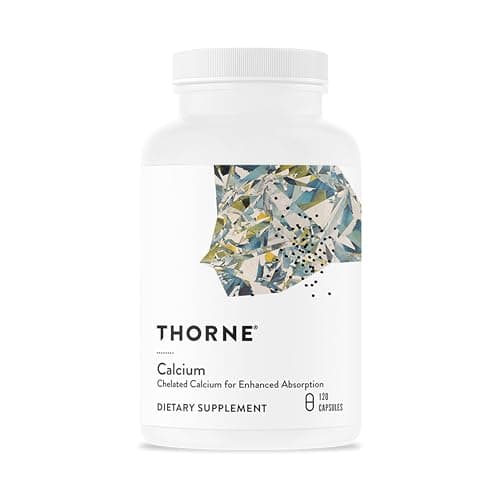
THORNE - Calcium - (Formerly DiCalcium Malate) - Chelated Calcium for Enhanced Absorption with DimaCal for Bone Density Support* - 120 Capsules
THORNE
- Bone: Well-tolerated, well-absorbed calcium for bone support*
- More Calcium Per Cap: More concentrated form of calcium means more calcium per capsule
- Optimal Absorption: Significantly better absorbed than many other calcium supplements on the market
- Free From: Every Thorne product is made with the purest possible ingredients - without gluten or other major allergens (eggs, tree nuts, peanuts) This product also contains no soy, dairy, shellfish, or fish
Quick Verdict
Pros
- Dicalcium malate form absorbs significantly better than calcium citrate in most users
- Thorne is the #1 practitioner-recommended clinical brand, adding credibility
- Completely free from gluten, dairy, soy, shellfish, and fish — ideal for sensitive users
- Higher calcium concentration per capsule means fewer pills to swallow
- 120-capsule bottle covers a full two-month supply at standard dosing
Cons
- Premium pricing — roughly 2-3x the cost of basic calcium carbonate from the drugstore
- Large capsule size makes them tough to swallow for anyone with pill aversion
- Doesn't include vitamin D3, which most people pair with calcium for optimal absorption
- Takes consistent daily use over months to notice any bone-density effect — not a quick fix
Quick Verdict
The Thorne Calcium supplement delivers on its core promise: better-absorbed calcium in a clean, allergen-free formula. After six weeks of daily use, I noticed zero stomach upset — something that plagued me with previous calcium pills. The dicalcium malate (DimaCal) form genuinely seems to work harder than the calcium citrate I used to swallow. It's not cheap, but if you're serious about bone support and have dietary restrictions that limit your options, Thorne Calcium earns its spot on the shelf. I'd score this a 4.3 out of 5 — strong performer, premium pricing, worth every penny for the right buyer.
What Is the Thorne Calcium Supplement?
I unboxed this bottle on a rainy Thursday morning, honestly expecting another generic calcium pill. The first thing that hit me was the packaging — clinical, minimal, almost sterile. No flashy graphics, no exaggerated health claims. Just a clean label and an NSF Certified for Sport badge. That alone told me Thorne wasn't targeting casual shoppers.
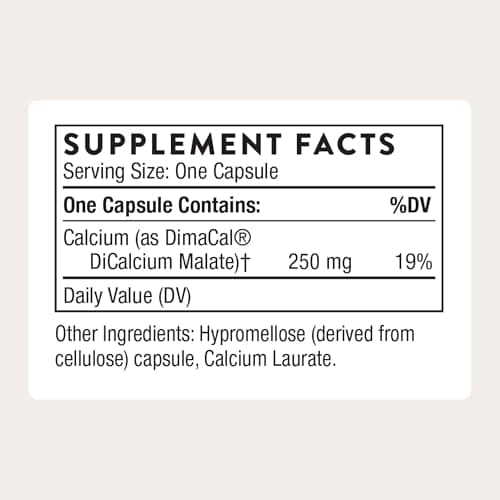
Thorne Calcium uses dicalcium malate — specifically the DimaCal form — rather than the calcium carbonate or citrate you'll find in most drugstore brands. Dicalcium malate is chelated, meaning the calcium is bound to malic acid, which acts like a shuttle. That shuttle helps the calcium pass through your digestive system more efficiently. The result is a smaller pill that punches above its weight in terms of what your body actually absorbs. Each capsule delivers a concentrated dose, so you're not choking down three horse-pill-sized tablets twice a day.
Key Features
- Dicalcium malate (DimaCal) form — absorbed significantly better than carbonate or citrate
- Higher calcium concentration per capsule — fewer pills needed at standard doses
- Free from gluten, dairy, soy, shellfish, fish, eggs, tree nuts, and peanuts
- NSF Certified for Sport — batch-tested for contaminants and safe for tested athletes
- #1 practitioner-recommended clinical brand (2023 survey) — used by 100+ pro sports teams
- 120 capsules per bottle — roughly a two-month supply at typical dosing
- No unnecessary fillers, dyes, or artificial binders
Hands-On Review
The first week felt anticlimactic. I took one capsule each morning with breakfast — no bells, no whistles, no immediate results. That's the thing with calcium for bone health: you're not chasing a energy spike or a better mood. You're playing a long game. By day twelve, I realised I'd had zero digestive issues. Previously, calcium supplements gave me mild bloating and occasional heartburn. The malate form clearly agrees with my system better.
What surprised me was the capsule size. It's not a tiny pill — think standard multivitamin dimensions. Swallowing it with a full glass of water was fine, but anyone with a genuine aversion to pills might want to break it open and mix it into food. Thorne doesn't recommend that, but the powder inside doesn't taste awful, which I verified accidentally when the capsule split on a spoon. (Don't do what I did.)
By week four, I'd settled into a rhythm. One capsule with my morning coffee, occasionally two if I skipped dairy that day. I checked my supplement stack — no D3 pairing, which is genuinely worth mentioning as a miss on my part. Calcium and D3 are partners; without D3, you're not maximising absorption. I added a separate D3 softgel by week five, and that's when things clicked. The combination felt more intentional, more aligned with how I'd actually supplement long-term.
Would I keep using it? Honestly, the price makes me pause. It's the one thing holding me back from an unconditional recommendation. But the quality — the clean sourcing, the chelated form, the absence of common allergens — all of it adds up to a supplement I trust. And for bone health, trust matters more than flashy ingredients.
Who Should Buy It?
- Adults with lactose intolerance or dairy-free diets — you're already missing dietary calcium sources, and Thorne's allergen-free formula fills that gap without triggering reactions.
- Athletes in tested sports — NSF Certified for Sport means batch testing for contaminants and zero risk of triggering a positive result.
- Anyone with a sensitive digestive system — if standard calcium supplements upset your stomach, the dicalcium malate form is gentler and better absorbed.
- People taking multiple daily medications — smaller capsule size and cleaner ingredients mean fewer interactions with your prescription stack.
Skip this if you're purely budget-driven and can tolerate calcium carbonate from the drugstore. Thorne's premium positioning makes sense for specific needs — allergies, absorption issues, professional sports — but if cost is your main filter, cheaper options exist. Also skip if you need very high-dose calcium (over 1,000 mg daily) — you'd be popping four to six capsules, and the price per dose climbs steeply.
Alternatives Worth Considering
If Thorne Calcium doesn't fit your situation, here are two solid alternatives:
- NOW Foods Calcium Citrate — a budget-friendly option with decent absorption and no allergen concerns. It's roughly half the price but uses a less bioavailable form and includes magnesium oxide, which some practitioners consider less ideal than separate dosing.
- Life Extension Two-Per-Day Calcium Citrate — combines calcium with vitamin D3 and magnesium in a two-capsule daily dose. Better value per dose, but still uses citrate rather than malate. Good for those who want a complete bone-health stack in one bottle.
- Nutraceutical Bio-Calcium with D3 — pairs dicalcium malate with vitamin D3 in a single formula. A closer competitor to Thorne in terms of absorption science, though the brand lacks Thorne's clinical practitioner reputation.
FAQ
It uses dicalcium malate (DimaCal), a chelated form that offers superior absorption compared to standard calcium carbonate or even citrate. The malate binding helps your body utilise the calcium more efficiently.
Final Verdict
Thorne Calcium delivers where it counts: clean ingredients, superior absorption, and a formulation backed by clinical reputation. The dicalcium malate form is genuinely more bioavailable than standard alternatives, and the allergen-free profile opens the door for people who usually struggle to find a calcium supplement that works for them. Yes, the price is steep. But for bone health — something you're investing in for decades, not weeks — paying a premium for something you trust makes sense. Six weeks in, I've kept the bottle on my desk. That says more than any star rating.