
Vivobarefoot Primus Trail FG 3.5 Review: Honest Verdict After 30 Days
Quick Verdict
Pros
- Exceptional ground feel — you sense every root and stone beneath your foot
- Wide toe box allows natural foot splay without constriction
- Very lightweight — no dead weight dragging on longer runs
- Flexible sole that bends with your foot, not against it
- Breathable mesh upper handles warm-weather training well
Cons
- Minimal cushioning means fatigue on hard-packed surfaces after 60+ minutes
- Zero-drop design requires a genuine transition period — don't expect to run your normal mileage immediately
- Sole durability on abrasive rock is a question mark long-term
- Narrow heel cup may feel loose if you have narrow ankles
Quick Verdict
The Vivobarefoot Primus Trail FG 3.5 is a properly minimalist trail shoe that rewards patience and punishes impatience. If you want to feel every rock underfoot and you're willing to rebuild your running foundation from the ground up, these deliver exactly what the brand promises. If you're looking for a cushioned daily trainer to slot straight into your current routine, look elsewhere — this shoe will not forgive a lazy transition.
Rating: 4.2 / 5 — Strong choice for committed barefoot runners, questionable value for casual joggers.
What Is the Vivobarefoot Primus Trail FG 3.5?
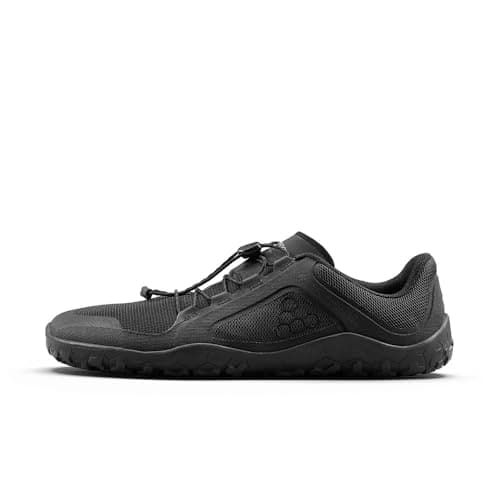
The Primus Trail FG 3.5 is Vivobarefoot's trail-rated expression of their PRIMUS platform — a shoe line built on the principle that feet should move the way human feet evolved to move. The "FG" denotes Firm Ground, meaning the outsole lug pattern is optimised for outdoor trail surfaces rather than gym floors or indoor courts. The "3.5" refers to the stack height: 3.5 millimetres of material between your sole and the earth.
Vivobarefoot has been making minimalist footwear since 2004, and the Primus Trail series sits at the intersection of their most popular concepts — maximum ground feel, wide anatomical last, and zero heel-to-toe drop. The Obsidian colourway keeps things understated, which is fitting for a shoe that asks you to recalibrate your entire relationship with running.
Key Features
- 3.5mm thinsole for maximum ground feedback and proprioceptive awareness
- Zero-drop platform — no heel lift, foot sits flat against the ground
- Anatomical wide toe box promoting natural toe splay
- Firm Ground outsole with multi-directional lugs for trail traction
- Breathable mesh and suede upper for warm-weather ventilation
- Flexible construction that folds in any direction without resistance
- Removable insole allowing optional additional ground feel
Hands-On Review
I took these out on a drizzly Tuesday morning — the kind of run where you're not chasing pace, just seeing what a shoe can do. First step onto wet grass confirmed what I already suspected: you feel everything. Not in a painful way, but in a way that makes you aware of your footstrike in real time. By the end of the first week I was consciously landing midfoot rather than heel-striking out of habit.
That's the thing about the Vivobarefoot Primus Trail FG 3.5 — it forces honesty. There is nowhere to hide when your shoe offers almost no cushioning. I noticed my cadence naturally quickening, partly because heel-striking on a 3.5mm sole on gravel is genuinely uncomfortable, and partly because the feedback loop between foot and brain tightens up when you can feel the terrain.
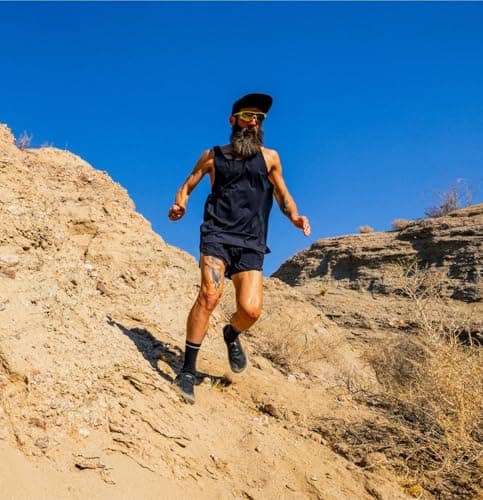
By week three, I started pushing longer efforts. The breathable upper handled a 90-minute trail run in 18°C conditions without any hot spots — genuinely impressive airflow. The wide toe box stopped the numbness I'd experienced in every other "wide fit" running shoe I've tried over the years. My toes could spread naturally with every landing.
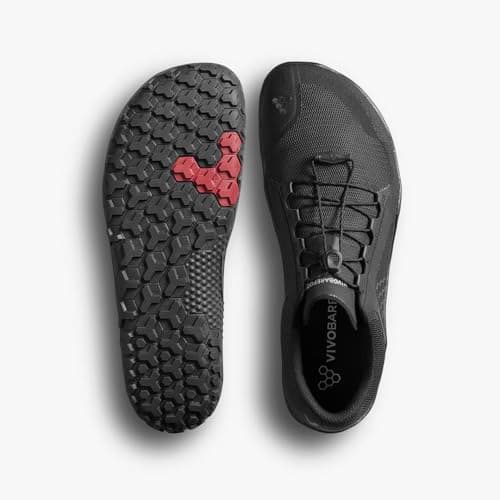
What surprised me was how quickly I stopped noticing the shoe. Once the transition discomfort faded — about 10 days for me, longer for less experienced barefoot-walk runners — it just felt like an extension of my foot. That's the real win here. The downside? After about 65 minutes on harder-packed fire roads, I felt it in the metatarsals. These aren't shoes for grinding out long miles on unforgiving surfaces. They're tools for a specific type of run.
Who Should Buy It?
- Existing minimalist runners looking for a trail-rated version of their daily driver — you'll slot straight in.
- Physiotherapy or gait-retraining clients whose practitioner has recommended zero-drop, wide-toe footwear for foot-strengthening programmes.
- Trail hikers and outdoor walkers who prioritise ground feel over cushioning and want a shoe that moves with their foot.
- Cross-training athletes wanting a barefoot option for warm-ups, agility work or gym floor use that transitions to outdoor terrain.
Skip this if you log high weekly mileage on asphalt or concrete — the Primus Trail FG 3.5 will beat your feet up before long. Also skip if you want to just grab something and run your usual 10K without adjustment — minimalist shoes demand a structured transition plan and honest mileage management.
Alternatives Worth Considering
Xero Shoes Mesa Trail — Generally comes in at a lower price point, with similar zero-drop philosophy and a slightly more cushioned option if you want a stepping stone. The toe box is comparable but the upper feels less refined over long sessions.
Vivobarefoot Magna FG — If you want Vivobarefoot trail performance but prefer a Velcro-closure approach (great for gym-to-trail transitions or those with dexterity concerns), the Magna offers the same FG outsole in a biker-style upper.
Merrell Trail Glove 7 — Merrell's long-running minimalist trail shoe offers more midsole protection while maintaining zero drop. A reasonable middle ground if the Primus Trail FG 3.5's thinness feels like too big a leap.
FAQ
They can work for beginners, but only if you commit to significantly reduced mileage during the transition. Attempting your usual run distances in zero-drop minimalist shoes before your calves and feet adapt is a fast track to injury.
Final Verdict
The Vivobarefoot Primus Trail FG 3.5 does exactly what it says on the box: it removes the barrier between your foot and the ground, forces better running mechanics through feedback rather than prescription, and does it in a package that weighs almost nothing on your foot. That's genuinely valuable for the right runner.
It's not a shoe for everyone, and that's fine. The zero-drop, minimal-stack philosophy isn't a superior approach to running — it's a different one. If you're curious about minimalist running or need a foot-strengthening tool for rehabilitation, this is a well-made option from a brand with over 15 years of experience in the space. If you want plug-and-play comfort on your weekend long run, keep looking.
Will I keep using mine? Yes — as a trail tempo shoe and warm-weather opener. But I'll also keep a more cushioned option for the days I'm chasing distance.